Rollover accidents are among the most violent and deadly crashes on Tampa roadways. On high-speed corridors like I-275, I-4, I-75, the Selmon Expressway, and Veterans Expressway, a single mistake—speeding, a sudden maneuver, or a vehicle defect—can cause a car or SUV to flip multiple times. When a vehicle rolls, occupants are exposed to extreme forces that frequently result in catastrophic or fatal injuries.
If you or a loved one was injured in a rollover accident in Tampa, it’s critical to understand that these crashes are often preventable and frequently involve negligence beyond simple driver error. At Slater | Grant, we represent victims of serious rollover accidents and aggressively pursue claims against negligent drivers, vehicle manufacturers, and other responsible parties to secure maximum compensation.
This article explains why rollover accidents happen, who may be liable, and how injured victims can protect their legal rights.
Complete the free case evaluation form or call us now at 813-995-6444 to speak directly with an attorney.
Why Rollover Accidents Are So Dangerous
Rollover crashes differ from most collisions because the vehicle’s occupants experience multiple impacts—with the road, other vehicles, guardrails, and the vehicle’s own interior.
Rollover accidents are especially dangerous because:
- Occupants may be thrown violently inside the vehicle
- Roof crush can cause severe head and spinal injuries
- Ejection risk is significantly higher
- Seatbelt failure or non-use increases fatality risk
- Multiple rolls amplify injury severity
SUVs, vans, and pickup trucks—common on Tampa roads—have higher centers of gravity, making them more susceptible to rollovers.
Common Causes of Rollover Accidents in Tampa
Most rollover accidents are preventable and involve negligence or safety failures. Common causes include:
1. Speeding
Excessive speed—especially on curves or highway ramps—dramatically increases rollover risk.
2. Sudden Swerving or Overcorrection
Drivers who swerve to avoid debris, another vehicle, or a sudden hazard may lose control and roll.
3. Tire Blowouts
Sudden tire failures at highway speeds frequently trigger rollover crashes.
4. Tripping Hazards
Curb strikes, soft shoulders, guardrails, or uneven pavement can “trip” a vehicle into a roll.
5. Distracted Driving
Drivers who drift out of lanes or react late may overcorrect and roll.
6. Impaired or Fatigued Driving
Slowed reaction times and poor judgment increase rollover risk.
7. Vehicle Defects
Defective tires, suspension systems, steering components, or roof structures may contribute to rollovers or worsen injuries.
Identifying the precise cause is critical to determining liability.
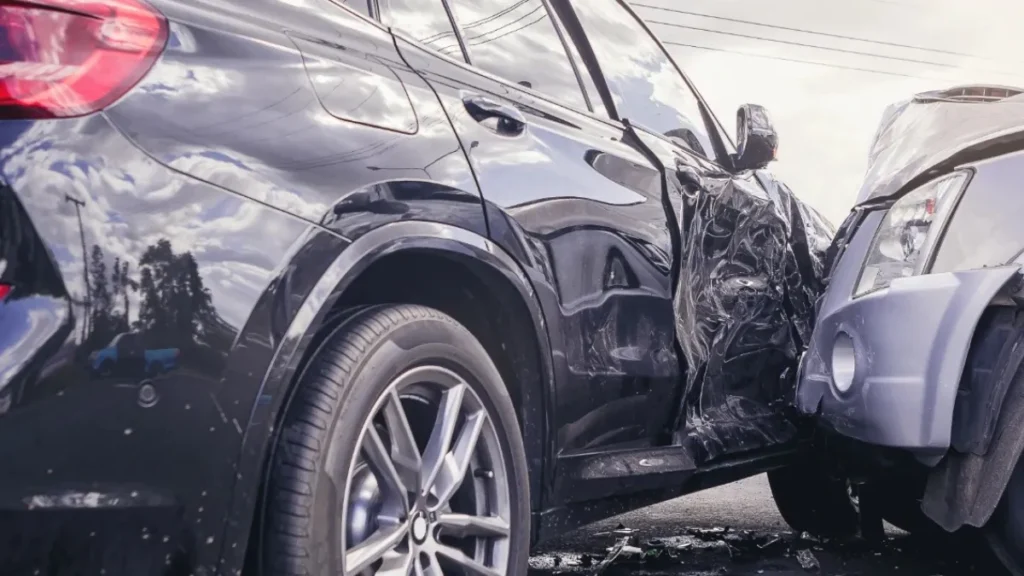
Single-Vehicle vs. Multi-Vehicle Rollover Accidents
Rollover crashes are often mislabeled as “single-vehicle accidents,” but that doesn’t mean no one else is responsible.
- Single-vehicle rollovers may involve road defects, vehicle defects, or tire failures
- Multi-vehicle rollovers may be caused by negligent drivers who force evasive maneuvers
Even when no other vehicle makes contact, liability may still exist.
Who May Be Liable in a Tampa Rollover Accident?
Rollover accident claims often involve multiple responsible parties, including:
1. Negligent Drivers
Drivers who speed, cut off other vehicles, or drive distracted may be liable—even without direct contact.
2. Vehicle Manufacturers
Manufacturers may be liable for:
- Defective tires
- Poor vehicle stability design
- Roof crush failures
- Faulty seatbelts or airbags
3. Tire Manufacturers
Defective or recalled tires are a common cause of rollover crashes.
4. Government Entities
Unsafe road design, poor maintenance, or dangerous shoulders may create government liability.
Claims against government entities involve strict notice requirements and shorter deadlines.
5. Maintenance or Repair Shops
Improper repairs or failure to identify safety issues may contribute to rollovers.
Identifying all liable parties is essential to maximizing compensation.
What to Do After a Rollover Accident in Tampa
Your actions after a rollover accident can significantly affect your injury claim.
1. Call 911 Immediately
Rollover crashes are medical emergencies. A police report is critical.
2. Seek Immediate Medical Care
Internal injuries and head trauma are common—even if symptoms aren’t obvious.
3. Document the Scene (If Possible)
Take photos of:
- Vehicle position
- Roof damage
- Tire condition
- Road conditions
- Skid marks
4. Preserve the Vehicle
Do not allow the vehicle to be destroyed or repaired before legal review—especially in defect cases.
5. Gather Witness Information
Witnesses may confirm speed, swerving, or road hazards.
6. Contact a Tampa Rollover Accident Attorney
Early legal involvement helps preserve critical evidence.
Evidence Used to Prove Rollover Accident Claims
Rollover cases are often complex and technical. At Slater | Grant, we collect and analyze:
- Police crash reports
- Vehicle black box (EDR) data
- Tire inspection and defect analysis
- Maintenance and recall records
- Roadway design and maintenance records
- Traffic and surveillance camera footage
- Witness statements
- Accident reconstruction analysis
- Medical records and expert opinions
This evidence helps establish causation, negligence, and liability.
Common Injuries in Tampa Rollover Accidents
Rollover accidents frequently cause catastrophic injuries, including:
- Traumatic brain injuries (TBI)
- Spinal cord injuries and paralysis
- Severe neck and back injuries
- Crush injuries
- Broken bones and fractures
- Internal organ damage
- Severe lacerations
- Permanent disability
- Wrongful death
Victims often require long-term medical care and rehabilitation.
Compensation Available After a Rollover Accident
Injured victims may be entitled to substantial compensation, including:
Economic Damages
- Emergency medical treatment
- Hospitalization and surgeries
- Rehabilitation and therapy
- Lost wages
- Loss of future earning capacity
- Ongoing medical care
- Vehicle loss
Non-Economic Damages
- Pain and suffering
- Emotional distress
- Loss of enjoyment of life
- Permanent impairment
- Disfigurement
Punitive Damages
May apply when manufacturers or drivers acted with reckless disregard for safety.
Florida’s Comparative Negligence Rules
Florida follows a modified comparative negligence system:
- You may recover compensation if you are 50% or less at fault
- Your compensation is reduced by your percentage of fault
Insurance companies often attempt to blame victims for speed or seatbelt use. Slater | Grant aggressively challenges these tactics.
Why Insurance Companies Fight Rollover Accident Claims
Rollover claims often involve high damages and product liability issues. Insurers may attempt to:
- Label the crash as “driver error only”
- Minimize defect evidence
- Dispute injury severity
- Push quick settlements before full diagnosis
Experienced legal representation is essential.

How Slater | Grant Handles Rollover Accident Cases
At Slater | Grant, we take a meticulous, aggressive approach to rollover accident litigation. We:
- Launch immediate investigations
- Preserve vehicles and defective components
- Work with engineering and accident reconstruction experts
- Identify all liable parties
- Handle all insurance and manufacturer communications
- Accurately calculate damages
- Negotiate aggressively or take cases to trial
Our goal is accountability and maximum compensation.
Why Choose Slater | Grant?
Rollover accident cases require experience, resources, and precision. Slater | Grant offers:
- Extensive personal injury and product liability experience
- Aggressive legal advocacy
- Personalized client support
- Trial-ready representation
- No upfront fees — you pay only if we win
We fight for victims when preventable tragedies occur.
Take the First Step Toward Justice
If you or a loved one was injured in a rollover accident in Tampa, do not face insurance companies or manufacturers alone.
Start by completing thefree case evaluation form or call us now at 813-995-6444.
Slater | Grant is ready to fight for your recovery, your rights, and your future.
Sources
1. National Highway Traffic Safety Administration (NHTSA)
Rollover crash data and vehicle safety research.
https://www.nhtsa.gov
2. Insurance Institute for Highway Safety (IIHS)
Studies on rollover risk, vehicle stability, and roof strength.
https://www.iihs.org
3. Florida Highway Safety and Motor Vehicles (FLHSMV)
Crash statistics and roadway safety information.
https://www.flhsmv.gov
4. Florida Statutes – Comparative Negligence & Product Liability Laws
Legal standards governing fault and defective products.
https://www.leg.state.fl.us