Multi-vehicle accidents—often called chain-reaction crashes or pileups—are some of the most complex and disputed personal injury cases in Florida. In St. Petersburg, where heavy traffic flows along I-275, US-19, 4th Street North, 34th Street, and Central Avenue, one moment of driver negligence can trigger a series of violent collisions involving multiple vehicles.
When several drivers are involved, determining fault becomes far more complicated. Insurance companies frequently shift blame, delay claims, or deny responsibility altogether. If you or a loved one was injured in a multi-vehicle accident in St. Petersburg, experienced legal representation is essential. At Slater | Grant, we investigate complex crashes, identify every liable party, and fight to secure maximum compensation for injured victims.
This article explains how multi-vehicle accidents occur, how liability is determined, and what injured victims should know about protecting their legal rights.
Complete the free case evaluation form or call us now at 813-995-6444 to speak directly with an attorney.
What Is a Multi-Vehicle Accident?
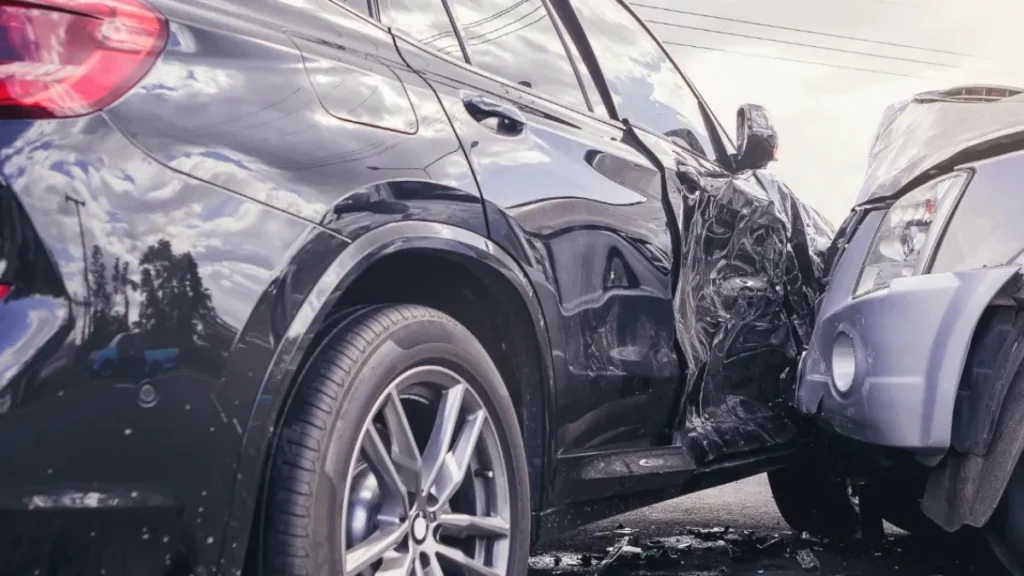
A multi-vehicle accident involves three or more vehicles and often results from a single triggering event—such as distracted driving, speeding, or sudden braking—that causes a chain reaction of collisions.
Common multi-vehicle accident scenarios include:
- Rear-end chain reactions
- Highway pileups
- Intersection collisions involving multiple lanes
- Weather-related crashes
- Sudden stops in heavy traffic
Because multiple impacts occur, injuries are often severe and evidence disputes are common.
Why Multi-Vehicle Accidents Are Especially Dangerous
Multi-vehicle crashes are dangerous due to repeated impacts and limited escape options for drivers and passengers.
These accidents are especially dangerous because:
- Vehicles are struck multiple times
- Occupants may be hit from different directions
- Secondary impacts increase injury severity
- Emergency response may be delayed
- Debris and fuel hazards increase risk
Victims often suffer more serious injuries than in single-impact collisions.
Common Causes of Multi-Vehicle Accidents in St. Petersburg
Most multi-vehicle crashes are preventable and stem from negligence. Common causes include:
1. Distracted Driving
A single distracted driver can trigger a chain reaction in heavy traffic.
2. Tailgating
Following too closely leaves no room to stop safely.
3. Speeding
Higher speeds reduce reaction time and increase impact force.
4. Sudden Stops
Abrupt braking—especially on highways—can cause pileups.
5. Poor Weather Conditions
Rain reduces traction and visibility, increasing crash risk.
6. Impaired Driving
Drunk or drug-impaired drivers often fail to react appropriately.
7. Roadway Hazards
Debris, construction zones, or uneven pavement can cause sudden evasive maneuvers.
Identifying the initial triggering cause is critical to determining liability.
How Liability Is Determined in Multi-Vehicle Accident Claims
Unlike simple two-car accidents, multi-vehicle crashes may involve shared fault among several drivers.
Key Factors Used to Determine Liability Include:
- Which driver caused the initial collision
- Whether other drivers had time to avoid impact
- Speed and following distance of each vehicle
- Traffic signal timing and lane positioning
- Weather and road conditions
Florida’s modified comparative negligence system allows fault to be divided among multiple parties.
Who May Be Liable in a St. Petersburg Multi-Vehicle Accident?
Multi-vehicle accident claims may involve several responsible parties, including:
1. The Initial At-Fault Driver
Often the driver who caused the first collision bears the greatest responsibility.
2. Other Negligent Drivers
Drivers who were speeding, distracted, or tailgating may share liability.
3. Commercial Drivers or Employers
If a delivery truck or commercial vehicle was involved, the employer may be liable.
4. Government Entities
Poor road design, lack of signage, or dangerous construction zones may contribute to pileups.
Claims against government entities involve strict notice requirements and shorter deadlines.
5. Vehicle or Parts Manufacturers
Defective brakes or tires may contribute to failure to stop.
Identifying every liable party is essential to recovering full compensation.
What to Do After a Multi-Vehicle Accident in St. Petersburg
Your actions after a multi-vehicle crash can significantly impact your claim.
1. Call 911 Immediately
Police and emergency responders must document the scene.
2. Seek Medical Attention
Injuries may worsen with each impact—even if symptoms seem mild initially.
3. Document the Scene
If safe, take photos of:
- All vehicle positions
- Damage to each vehicle
- Skid marks and debris
- Road and weather conditions
4. Gather Witness Information
Independent witnesses are extremely valuable in complex cases.
5. Avoid Insurance Statements
Do not provide recorded statements to insurers without legal guidance.
6. Contact a St. Petersburg Multi-Vehicle Accident Attorney
Early legal involvement helps preserve critical evidence.
Evidence Used in Multi-Vehicle Accident Claims
Multi-vehicle cases require extensive investigation. At Slater | Grant, we collect and analyze:
- Police crash reports
- Traffic and surveillance camera footage
- Dashcam videos
- Witness statements
- Vehicle damage analysis
- Cell phone records
- Vehicle black box (EDR) data
- Accident reconstruction reports
- Medical records
This evidence helps establish fault percentages and counter insurance disputes.
Common Injuries in St. Petersburg Multi-Vehicle Accidents
Because victims may experience multiple impacts, injuries are often severe, including:
- Traumatic brain injuries (TBI)
- Spinal cord injuries
- Broken bones and crush injuries
- Internal organ damage
- Severe neck and back injuries
- Burns and lacerations
- Permanent disability
- Wrongful death
Many victims require long-term medical care and rehabilitation.
Compensation Available After a Multi-Vehicle Accident
Injured victims may be entitled to compensation for:
Economic Damages
- Emergency medical treatment
- Hospitalization and surgeries
- Physical therapy and rehabilitation
- Lost wages
- Loss of future earning capacity
- Ongoing medical care
- Vehicle repair or replacement
Non-Economic Damages
- Pain and suffering
- Emotional distress
- Loss of enjoyment of life
- Permanent impairment
Wrongful Death Damages
Surviving family members may pursue compensation for funeral expenses, loss of support, and companionship.
Why Insurance Companies Fight Multi-Vehicle Accident Claims
Insurers often attempt to:
- Shift blame between drivers
- Minimize each driver’s responsibility
- Delay investigations
- Push low settlement offers
Without legal representation, victims may recover far less than they deserve.
How Slater | Grant Handles Multi-Vehicle Accident Cases
At Slater | Grant, we take a strategic, evidence-driven approach by:
- Launching immediate investigations
- Coordinating expert accident reconstruction
- Identifying every liable party and insurance policy
- Handling all insurance communications
- Accurately valuing damages
- Negotiating aggressively or preparing cases for trial
Our mission is accountability and maximum compensation.
Why Choose Slater | Grant?
Multi-vehicle accident cases require experience, resources, and precision. Slater | Grant offers:
- Extensive personal injury experience
- Proven success in complex liability cases
- Aggressive legal advocacy
- Personalized client support
- Trial-ready representation
- No upfront fees — you pay only if we win
We fight for victims when fault is disputed and insurers push back.
Take the First Step Toward Justice
If you or a loved one was injured in a multi-vehicle accident in St. Petersburg, do not face insurance companies alone.
Start by completing thefree case evaluation form or call us now at 813-995-6444.
Slater | Grant is ready to fight for your recovery, your rights, and your future.
Sources
1. Florida Highway Safety and Motor Vehicles (FLHSMV)
Multi-vehicle crash data and traffic safety statistics.
https://www.flhsmv.gov
2. National Highway Traffic Safety Administration (NHTSA)
Research on chain-reaction crashes and injury severity.
https://www.nhtsa.gov
3. Insurance Institute for Highway Safety (IIHS)
Studies on traffic congestion and multi-vehicle collisions.
https://www.iihs.org
4. Florida Statutes – Comparative Negligence & Liability Laws
Legal standards governing shared fault in injury claims.
https://www.leg.state.fl.us