Multi-vehicle accidents—often called chain-reaction crashes or pileups—are among the most complicated and destructive collisions on Florida roadways. In Clearwater, where heavy traffic flows along US-19, Gulf-to-Bay Boulevard, Clearwater Memorial Causeway, and Belcher Road, one sudden stop or negligent driver can trigger a crash involving three, four, or even more vehicles.
Unlike simple two-car accidents, multi-vehicle collisions create complex liability disputes. Multiple drivers may share fault, insurance companies often point fingers, and victims are left confused about who is responsible for their injuries. If you were injured in a multi-vehicle accident in Clearwater, you may be entitled to significant compensation. At Slater | Grant, we aggressively investigate chain-reaction crashes and fight to ensure our clients are not unfairly blamed or undercompensated.
This article explains how multi-vehicle accidents happen, how liability is determined, and what victims should know about protecting their rights.
Complete the free case evaluation form or call us now at 813-995-6444 to speak directly with an attorney.
Why Multi-Vehicle Accidents Are So Dangerous
Chain-reaction crashes often occur at higher speeds or in heavy traffic. Once the initial impact occurs, drivers behind may have little time to stop.
Multi-vehicle accidents are especially dangerous because:
- Victims may be struck multiple times
- Vehicles can be pushed into intersections or oncoming traffic
- Airbags may deploy repeatedly
- Occupants are vulnerable to secondary impacts
- Emergency response may be delayed due to congestion
The force and unpredictability of these crashes frequently result in severe injuries.
Common Causes of Multi-Vehicle Accidents in Clearwater
Most chain-reaction crashes are preventable and caused by driver negligence. Common causes include:
1. Distracted Driving
A driver who looks away for even a few seconds may trigger the initial collision.
2. Following Too Closely
Tailgating leaves drivers without enough stopping distance.
3. Speeding
Excessive speed increases the likelihood and severity of pileups.
4. Sudden Traffic Stops
Congested roadways and construction zones increase rear-end risks.
5. Impaired Driving
Alcohol or drug impairment delays reaction time.
6. Weather Conditions
Rain-slick roads reduce traction and braking effectiveness.
Often, one negligent act starts the chain reaction—but multiple drivers may contribute.
Types of Multi-Vehicle Accidents
Multi-vehicle accidents may include:
- Rear-end chain reactions
- Highway pileups
- Intersection multi-car collisions
- Merging and lane-change crashes
- Construction zone pileups
Each type presents unique liability challenges.
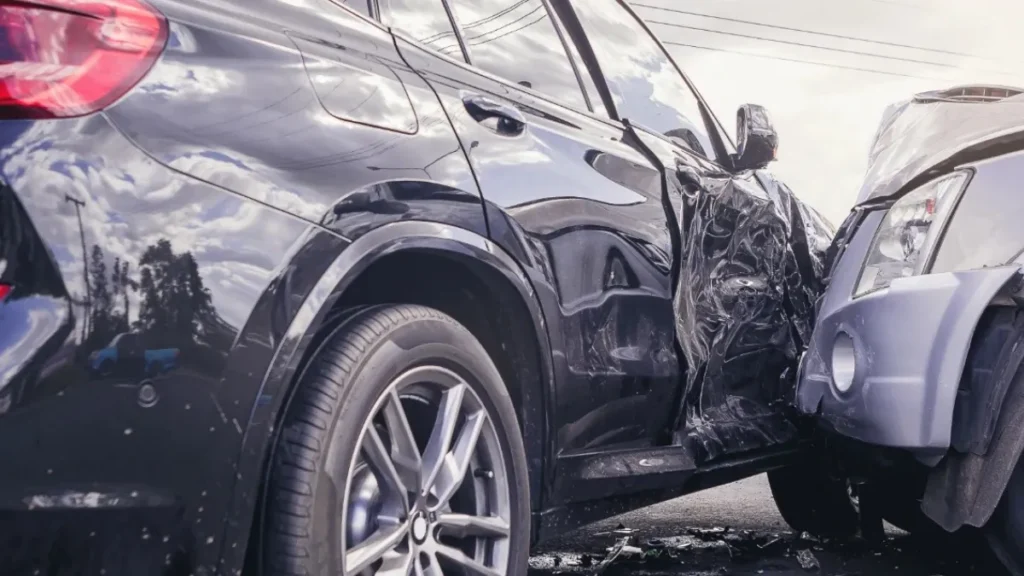
How Is Fault Determined in a Clearwater Chain-Reaction Crash?
Determining liability in a multi-vehicle accident requires a detailed investigation. Fault may rest with:
- The driver who caused the initial impact
- Drivers who were following too closely
- Drivers who failed to brake in time
- Commercial vehicle operators
- Government entities (in rare cases involving road design or signal failure)
Each driver’s actions are examined individually.
Who May Be Liable in a Clearwater Multi-Vehicle Accident?
Multi-vehicle claims often involve multiple responsible parties, including:
1. Negligent Drivers
Drivers who caused or contributed to the crash through distraction, speeding, or tailgating.
2. Commercial Drivers and Employers
If a company vehicle triggered or contributed to the crash, the employer may be liable.
3. Vehicle Manufacturers
Defective brakes, airbags, or other safety systems may worsen injuries.
4. Government Entities
Malfunctioning traffic signals or dangerous road design may contribute.
Identifying all liable parties is critical to securing full compensation.
What to Do After a Multi-Vehicle Accident in Clearwater
The steps you take after a chain-reaction crash can significantly affect your claim.
1. Call 911 Immediately
Police reports document vehicle order and impact sequences.
2. Seek Medical Attention
Multiple impacts increase the risk of serious injuries.
3. Document the Scene
Take photos of:
- All vehicles involved
- Damage patterns
- Skid marks
- Road conditions
- Your injuries
4. Collect Driver and Witness Information
Gather insurance and contact details for all involved parties.
5. Avoid Recorded Insurance Statements
Insurance companies may attempt to shift blame quickly.
6. Contact a Clearwater Car Accident Attorney
Early legal involvement protects your rights and preserves evidence.
Evidence Used to Prove Multi-Vehicle Accident Claims
At Slater | Grant, we conduct thorough investigations and collect:
- Police crash reports
- Traffic and surveillance camera footage
- Dashcam videos
- Witness statements
- Vehicle black box (EDR) data
- Accident reconstruction analysis
- Cell phone records
- Medical records
Accident reconstruction experts often play a critical role in determining impact order and fault.
Common Injuries in Clearwater Multi-Vehicle Accidents
Chain-reaction crashes often cause severe injuries, including:
- Traumatic brain injuries (TBI)
- Concussions
- Spinal cord injuries
- Herniated discs
- Broken bones
- Internal organ damage
- Chronic pain
- Permanent disability
Victims may require extended treatment and rehabilitation.
Compensation Available After a Multi-Vehicle Accident
Injured victims may be entitled to compensation for:
Economic Damages
- Emergency medical treatment
- Hospitalization and surgery
- Rehabilitation and therapy
- Lost wages
- Loss of future earning capacity
- Ongoing medical care
- Vehicle repair or replacement
Non-Economic Damages
- Pain and suffering
- Emotional distress
- Loss of enjoyment of life
- Permanent impairment
Wrongful Death Damages
In fatal pileups, surviving families may pursue compensation for funeral expenses and loss of support.
Florida’s Comparative Negligence Rules
Florida follows a modified comparative negligence system:
- You may recover compensation if you are 50% or less at fault
- Your compensation is reduced by your percentage of fault
Insurance companies frequently attempt to assign partial blame in chain-reaction crashes. Slater | Grant aggressively challenges these tactics.
Why Insurance Companies Fight Multi-Vehicle Accident Claims
Because multiple policies may be involved, insurers often:
- Shift blame between drivers
- Dispute impact sequence
- Minimize injury severity
- Delay claim processing
- Offer quick, inadequate settlements
Experienced legal representation is critical to protecting your interests.
How Slater | Grant Helps Multi-Vehicle Accident Victims
At Slater | Grant, we fight for injured victims by:
- Conducting immediate investigations
- Working with accident reconstruction experts
- Identifying all liable parties
- Handling all insurance communications
- Accurately valuing damages
- Negotiating aggressively or litigating when necessary
Our mission is accountability and maximum compensation.
Why Choose Slater | Grant?
Multi-vehicle accident cases require experience, strategy, and persistence. Slater | Grant offers:
- Extensive personal injury litigation experience
- Aggressive legal advocacy
- Personalized client support
- Trial-ready representation
- No upfront fees — you pay only if we win
We stand with victims when complex crashes create complex legal challenges.
Take the First Step Toward Recovery
If you or a loved one was injured in a multi-vehicle accident in Clearwater, do not face multiple insurance companies alone.
Start by completing the free case evaluation form or call us now at 813-995-6444.
Slater | Grant is ready to fight for your recovery, your rights, and your future.
Sources
1. Florida Highway Safety and Motor Vehicles (FLHSMV)
Multi-vehicle crash data and roadway safety statistics.
https://www.flhsmv.gov
2. National Highway Traffic Safety Administration (NHTSA)
Research on multi-vehicle crashes and injury severity.
https://www.nhtsa.gov
3. Insurance Institute for Highway Safety (IIHS)
Studies on crash sequences and chain-reaction accidents.
https://www.iihs.org
4. Florida Statutes – Comparative Negligence Laws
Legal standards governing shared fault in car accident claims.
https://www.leg.state.fl.us