Rear-end accidents are among the most common traffic collisions in Tampa—and also among the most underestimated. While insurance companies often label these crashes as “minor,” rear-end collisions frequently cause serious, long-term injuries that disrupt victims’ lives physically, emotionally, and financially. On busy Tampa roadways like I-275, I-4, Dale Mabry Highway, Hillsborough Avenue, and Kennedy Boulevard, sudden stops, distracted driving, and aggressive traffic patterns make rear-end crashes an everyday danger.
If you or a loved one was injured in a rear-end accident in Tampa, you may be entitled to compensation beyond what insurance companies are willing to offer. At Slater | Grant, we represent victims of rear-end collisions and fight to hold negligent drivers fully accountable.
This article explains how rear-end accidents happen, who is typically liable, and what injured victims should know about protecting their rights.
Complete the free case evaluation form or call us now at 813-995-6444 to speak directly with an attorney.
Why Rear-End Accidents Are More Serious Than People Think
Rear-end crashes often involve sudden, forceful impacts that the human body is not prepared to absorb. Even at relatively low speeds, these collisions can cause severe trauma.
Rear-end accidents are dangerous because:
- Occupants experience violent forward-and-back motion
- Neck and spinal injuries are common
- Brain injuries can occur without direct head impact
- Symptoms may be delayed for hours or days
- Repeated impacts in traffic can worsen injuries
Many victims don’t realize the full extent of their injuries until days after the crash.
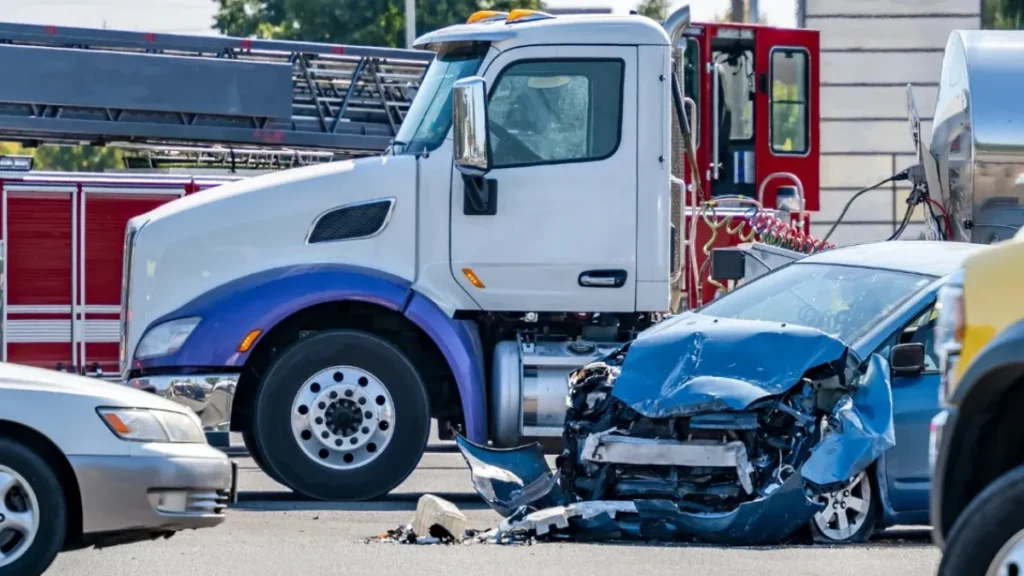
Common Causes of Rear-End Accidents in Tampa
Most rear-end collisions are preventable and caused by driver negligence. Common causes include:
1. Distracted Driving
Texting, using GPS, eating, or adjusting vehicle controls prevents drivers from reacting in time.
2. Tailgating
Following too closely leaves insufficient stopping distance.
3. Speeding
Higher speeds increase stopping distance and collision severity.
4. Sudden or Unsafe Stops
Drivers who stop abruptly without reason can contribute to rear-end crashes.
5. Aggressive Driving
Drivers weaving through traffic or driving impatiently often cause chain-reaction crashes.
6. Fatigued Driving
Tired drivers have slower reaction times.
7. Weather Conditions
Rain-slick roads increase stopping distances and collision risk.
Understanding what caused the crash is critical to determining liability.
Who Is Liable in a Tampa Rear-End Accident?
In most rear-end accidents, the rear driver is presumed to be at fault for failing to maintain a safe following distance. However, liability is not always automatic.
Common Liable Parties May Include:
1. The Rear Driver
Most commonly liable due to distraction, speeding, or tailgating.
2. The Front Driver
In some cases, a front driver may share fault if they:
- Slammed brakes unnecessarily
- Had malfunctioning brake lights
- Made unsafe lane changes
3. Multiple Drivers
Chain-reaction rear-end crashes may involve shared fault among several drivers.
4. Commercial Drivers or Employers
If a commercial vehicle caused the crash, the employer may be liable.
5. Vehicle Manufacturers
Defective brakes or lighting systems may contribute to the collision.
Florida’s comparative negligence system allows fault to be divided among parties.
What to Do After a Rear-End Accident in Tampa
The steps you take after a rear-end crash can significantly affect your injury claim.
1. Call 911
A police report documents the crash and helps establish fault.
2. Seek Medical Attention
Rear-end injuries—especially whiplash and head trauma—are often delayed.
3. Document the Scene
Take photos of:
- Vehicle damage
- Skid marks
- Traffic conditions
- Your injuries
4. Gather Witness Information
Witnesses may confirm distraction or aggressive driving.
5. Avoid Insurance Statements
Do not give recorded statements without legal guidance.
6. Contact a Tampa Rear-End Accident Attorney
Early legal involvement protects your rights and preserves evidence.
Common Injuries in Rear-End Accidents
Rear-end collisions frequently cause injuries such as:
- Whiplash and cervical spine injuries
- Herniated or bulging discs
- Traumatic brain injuries (TBI)
- Concussions
- Back injuries
- Shoulder and knee injuries
- Chronic pain
- Permanent disability
Even low-speed crashes can lead to long-term complications.
Evidence Used to Prove Fault in Rear-End Accident Claims
Insurance companies often minimize rear-end injuries. Strong evidence is essential.
At Slater | Grant, we collect and analyze:
- Police crash reports
- Vehicle damage assessments
- Traffic and surveillance camera footage
- Dashcam video
- Cell phone records
- Vehicle black box (EDR) data
- Witness statements
- Accident reconstruction analysis
- Medical records
This evidence helps establish negligence and counter insurance defenses.
Compensation Available After a Rear-End Accident
Injured victims may be entitled to compensation for:
Economic Damages
- Emergency medical treatment
- Hospital visits and surgeries
- Physical therapy and rehabilitation
- Lost wages
- Loss of future earning capacity
- Ongoing medical care
- Vehicle repair or replacement
Non-Economic Damages
- Pain and suffering
- Emotional distress
- Loss of enjoyment of life
- Permanent impairment
Punitive Damages
May apply if the at-fault driver acted with extreme recklessness, such as texting at high speed.
Florida’s Comparative Negligence Law
Florida follows a modified comparative negligence rule:
- You may recover damages if you are 50% or less at fault
- Your compensation is reduced by your percentage of fault
Insurance companies often attempt to unfairly shift blame to victims. Slater | Grant aggressively challenges these tactics.
Why Insurance Companies Downplay Rear-End Claims
Insurers often attempt to:
- Label injuries as “minor”
- Argue injuries were pre-existing
- Dispute delayed symptoms
- Push quick, low settlement offers
Without legal representation, victims may accept far less than they deserve.

How Slater | Grant Helps Rear-End Accident Victims
At Slater | Grant, we fight for injured victims by:
- Conducting immediate investigations
- Preserving video and electronic evidence
- Working with accident reconstruction experts
- Identifying all liable parties
- Handling all insurance communications
- Accurately valuing damages
- Negotiating aggressively or preparing for trial
Our mission is accountability and full compensation.
Why Choose Slater | Grant?
Rear-end accident cases require experience and persistence. Slater | Grant offers:
- Extensive personal injury experience
- Aggressive legal advocacy
- Personalized client support
- Trial-ready representation
- No upfront fees — you pay only if we win
We fight for victims when negligence causes preventable harm.
Take the First Step Toward Recovery
If you or a loved one was injured in a rear-end accident in Tampa, don’t let insurance companies minimize your injuries.
Start by completing thefree case evaluation form or call us now at 813-995-6444.
Slater | Grant is ready to fight for your recovery, your rights, and your future.
Sources
1. Florida Highway Safety and Motor Vehicles (FLHSMV)
Rear-end crash data and traffic safety statistics.
https://www.flhsmv.gov
2. National Highway Traffic Safety Administration (NHTSA)
Research on rear-end collisions and injury mechanics.
https://www.nhtsa.gov
3. Insurance Institute for Highway Safety (IIHS)
Studies on crash prevention and impact severity.
https://www.iihs.org
4. Florida Statutes – Comparative Negligence Law
Legal framework governing shared fault in injury claims.
https://www.leg.state.fl.us