Head-on collisions are among the most catastrophic types of car accidents, often resulting in severe injuries or fatalities. In Wesley Chapel, these crashes commonly occur on high-speed roadways such as State Road 54, State Road 56, Bruce B. Downs Boulevard, and rural or two-lane roads where traffic flows in opposite directions. When two vehicles collide head-on, the combined force of impact can be devastating.
If you or a loved one has been injured in a head-on collision in Wesley Chapel, proving driver negligence is essential to recovering full compensation. Insurance companies aggressively defend these claims because the injuries are serious and the financial exposure is high. At Slater | Grant, we help victims build strong, evidence-based lawsuits that hold negligent drivers fully accountable.
This guide explains how head-on collisions happen, how negligence is proven, and what victims should expect when pursuing a lawsuit.
Complete the free case evaluation form or call us now at 813-995-6444 to speak directly with an attorney.
Why Head-On Collisions Are So Dangerous
Head-on crashes involve two vehicles traveling toward each other, often at significant speeds. This creates an extreme force of impact, which frequently leads to:
- Traumatic brain injuries (TBI)
- Spinal cord injuries and paralysis
- Internal organ damage
- Severe fractures
- Crush injuries
- Permanent disability
- Wrongful death
Even when safety features function properly, the physics of a head-on crash make these accidents particularly deadly.
Common Causes of Head-On Collisions in Wesley Chapel
Head-on collisions are almost always preventable and usually result from driver negligence. Common causes include:
1. Distracted Driving
Texting, phone use, adjusting GPS, or inattention can cause a driver to drift into oncoming traffic.
2. Drunk or Drug-Impaired Driving
Impaired drivers often cross center lines or enter roadways in the wrong direction.
3. Drowsy Driving
Fatigue slows reaction time and can cause drivers to fall asleep behind the wheel.
4. Unsafe Passing
Attempting to pass on two-lane roads without sufficient visibility is a leading cause of head-on crashes.
5. Speeding
Excessive speed reduces a driver’s ability to maintain control and avoid oncoming vehicles.
6. Wrong-Way Driving
Drivers may enter highways or roadways going the wrong direction due to confusion, intoxication, or poor signage.
7. Poor Road Conditions
Faded lane markings, lack of median barriers, or inadequate signage can contribute to head-on collisions.
Identifying the cause of the crash is the foundation of proving negligence.

What Is Negligence in a Head-On Collision Case?
To succeed in a Wesley Chapel head-on collision lawsuit, you must prove negligence. This involves establishing four key elements:
1. Duty of Care
Every driver has a legal duty to operate their vehicle safely and follow traffic laws.
2. Breach of Duty
Negligence occurs when a driver breaches this duty by engaging in unsafe behavior, such as drifting into oncoming traffic or driving impaired.
3. Causation
You must show that the driver’s breach directly caused the collision.
4. Damages
You must prove that the accident resulted in actual damages, such as injuries, medical bills, lost wages, or pain and suffering.
An experienced attorney is critical to proving each of these elements.
Evidence Used to Prove Negligence in Head-On Collision Lawsuits
Because head-on collisions often involve disputed facts, strong evidence is essential. At Slater | Grant, we gather and analyze:
Police Crash Reports
Officers document vehicle positions, skid marks, road conditions, and potential violations.
Accident Scene Evidence
Photos of debris, skid marks, and vehicle damage help establish how the crash occurred.
Vehicle Damage Analysis
Damage patterns often reveal which vehicle crossed into oncoming traffic.
Black Box (EDR) Data
Modern vehicles record speed, braking, and steering input prior to impact.
Traffic and Surveillance Footage
Nearby cameras may capture the crash or events leading up to it.
Witness Statements
Eyewitnesses can confirm unsafe driving behaviors.
Cell Phone Records
Used to prove distraction at the time of the collision.
Toxicology Reports
Alcohol or drug test results may demonstrate impairment.
Accident Reconstruction
Experts recreate the crash to establish fault and causation.
This evidence forms the backbone of a successful lawsuit.
Florida’s Comparative Negligence Rule
Florida follows a modified comparative negligence system. This means:
- You can recover compensation as long as you are not more than 50% at fault
- Your compensation is reduced by your percentage of fault
Insurance companies often attempt to shift blame onto victims to reduce payouts. Slater | Grant works aggressively to prevent unfair fault assignments.
Common Injuries in Wesley Chapel Head-On Collisions
Due to the extreme forces involved, head-on collisions frequently cause:
- Traumatic brain injuries
- Spinal cord damage
- Broken arms, legs, ribs, and hips
- Internal bleeding and organ damage
- Facial injuries
- Burns and lacerations
- Permanent disability
Victims often require extensive medical treatment, rehabilitation, and long-term care.
Compensation Available in Head-On Collision Lawsuits
If negligence is proven, victims may be entitled to substantial compensation, including:
Economic Damages
- Emergency medical treatment
- Hospital stays and surgeries
- Rehabilitation and physical therapy
- Lost wages
- Loss of future earning capacity
- Ongoing medical care
- Property damage
Non-Economic Damages
- Pain and suffering
- Emotional distress
- Loss of enjoyment of life
- Permanent disability
- Disfigurement or scarring
Punitive Damages
May apply in cases involving extreme negligence, such as drunk driving or reckless conduct.
Why Insurance Companies Aggressively Defend Head-On Collision Claims
Head-on collision claims often involve significant damages, so insurers may:
- Dispute fault
- Minimize injury severity
- Claim shared responsibility
- Question medical treatment
- Pressure victims to settle quickly
Without legal representation, victims are at a serious disadvantage.
How Slater | Grant Builds a Strong Head-On Collision Case
At Slater | Grant, we use a comprehensive legal strategy to protect our clients. We:
- Launch immediate investigations
- Preserve critical evidence
- Work with accident reconstruction experts
- Analyze vehicle data and crash dynamics
- Handle all insurance communications
- Identify all liable parties
- Calculate full damages
- Negotiate aggressively
- Prepare cases for trial
Our goal is to secure maximum compensation and justice.
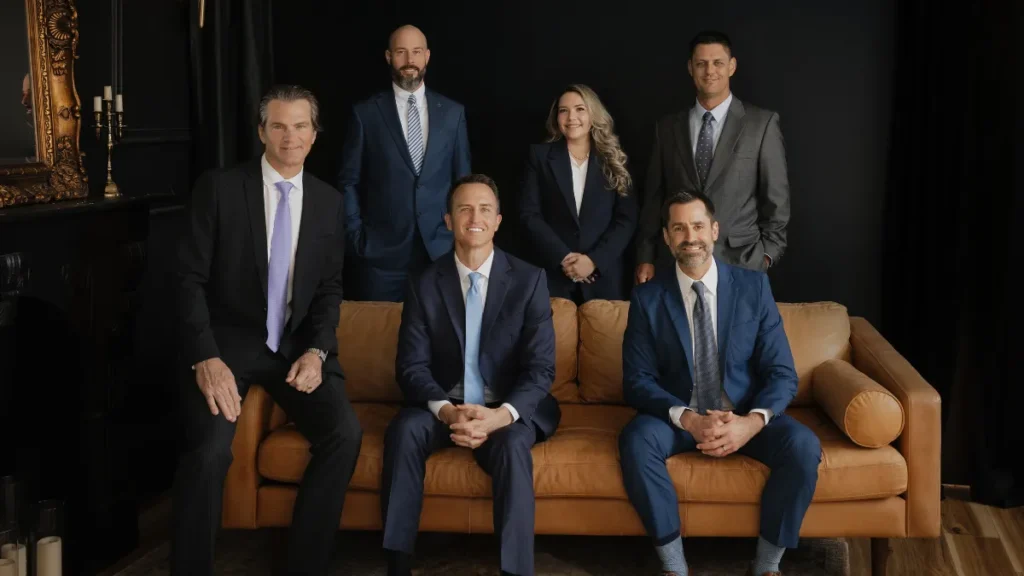
Why Choose Slater | Grant?
Head-on collision cases require experience, precision, and determination. Slater | Grant provides:
- Extensive experience with catastrophic injury cases
- Aggressive legal advocacy
- Personalized client support
- Trial-ready representation
- No upfront fees — you pay only if we win
We are committed to protecting your future.
Take the First Step Toward Justice
If you or a loved one has been injured in a head-on collision in Wesley Chapel, do not wait to get legal help. Acting quickly preserves evidence and strengthens your case.
Start by completing the free case evaluation form or calling us now at 813-995-6444.
Slater | Grant is ready to fight for the compensation and accountability you deserve.
Sources
1. Florida Highway Safety and Motor Vehicles (FLHSMV)
Provides crash reporting guidelines and traffic safety data.
https://www.flhsmv.gov
2. National Highway Traffic Safety Administration (NHTSA)
Research on head-on collisions, roadway safety, and injury severity.
https://www.nhtsa.gov
3. Centers for Disease Control and Prevention – Motor Vehicle Crash Injury Data
Includes national data on crash-related injuries and prevention strategies.
https://www.cdc.gov/transportationsafety
4. Florida Statutes – Motor Vehicle Negligence and Liability
Outlines legal standards for negligence and personal injury claims in Florida.
https://www.leg.state.fl.us