Multi-vehicle accidents—often called chain-reaction crashes or pileups—are among the most chaotic and devastating collisions on Wesley Chapel’s busy roads. With rapid growth, increased traffic congestion, and major roadways like State Road 54, Bruce B. Downs Boulevard, I-75, and State Road 56, these types of accidents are becoming more common. When several vehicles collide, determining who is responsible becomes incredibly complex.
If you or a loved one has been injured in a Wesley Chapel multi-vehicle accident, you may be facing medical bills, missed work, pain, and stress while also trying to figure out who caused the crash. Unlike two-car accidents, fault in multi-vehicle collisions can involve several drivers, multiple insurance companies, and competing versions of what happened.
This guide explains how fault is determined, what evidence matters most, and how an experienced attorney at Slater | Grant can help protect your rights and pursue the compensation you deserve.
Complete the free case evaluation form or call us now at 813-995-6444 to speak directly with an attorney.
What Is a Multi-Vehicle Accident?
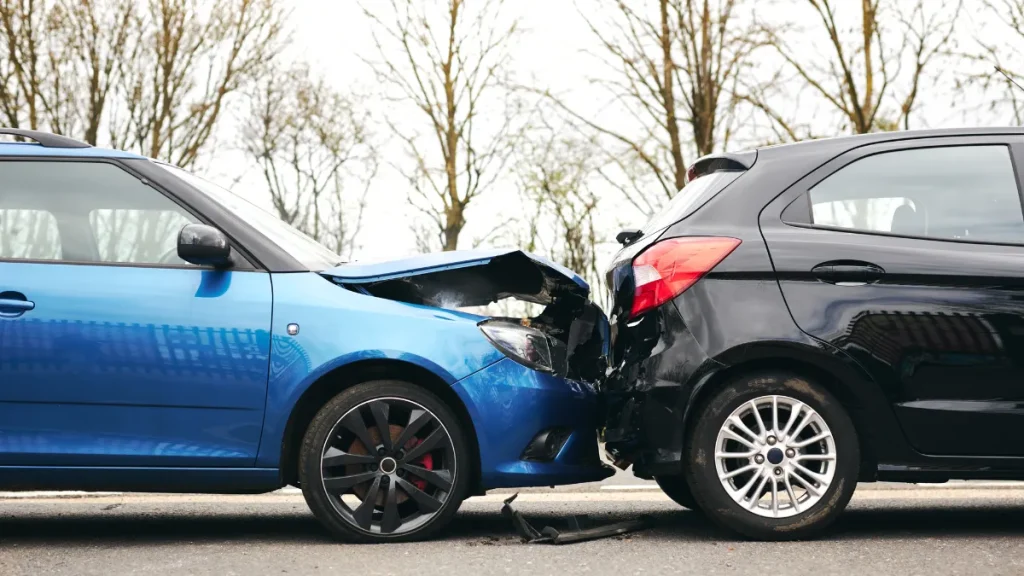
A multi-vehicle accident involves three or more vehicles colliding in a chain reaction. These crashes often happen when one driver causes an initial collision, which then causes additional vehicles to crash into the vehicles ahead of them. However, determining the “triggering” driver is not always straightforward.
Common types of multi-vehicle crashes include:
- Rear-end chain reactions
- Highway pileups
- Intersection collisions involving multiple lanes
- Crashes caused by sudden stops or merging
- Side-impact crashes that push vehicles into other lanes
Because multiple vehicles may be in motion, at different speeds, and from different directions, these cases demand a detailed investigation.
Common Causes of Multi-Vehicle Accidents in Wesley Chapel
Understanding what caused the crash is essential for identifying who is responsible. Multi-vehicle accidents are often caused by:
1. Distracted Driving
Texting, using GPS, adjusting the radio, or eating behind the wheel can cause a driver to react too slowly to traffic changes.
2. Speeding or Following Too Closely
Drivers who tailgate or speed frequently cause chain reaction rear-end collisions, especially during congested traffic.
3. Sudden Braking
Abrupt stops—especially in high-speed areas—can cause other drivers to collide before they have time to respond.
4. Aggressive Driving
Lane weaving, unsafe merging, and road rage greatly increase the risk of multi-vehicle crashes.
5. Impaired Driving
Alcohol and drugs impair judgment and reaction time, making drivers unpredictable and dangerous.
6. Poor Weather Conditions
Heavy rain, slick roads, fog, and limited visibility create dangerous conditions where chain reactions are more likely.
7. Poor Road Design or Hazards
Construction zones, debris, potholes, and lack of signage can contribute to multi-vehicle accidents.
Identifying the cause is a crucial step in determining liability.
How Fault Is Determined in a Multi-Vehicle Accident
Florida uses a comparative negligence system, meaning each driver may be assigned a percentage of fault based on their actions. In multi-vehicle accidents, fault may be shared among:
- The driver who caused the initial impact
- Drivers who were following too closely
- Distracted drivers
- Speeding drivers
- Drivers who failed to stop or take evasive action
- Drivers who entered the roadway negligently
Because fault is divided, insurance companies will often argue endlessly to reduce their share of responsibility.
The Importance of a Thorough Investigation
A comprehensive investigation is required to determine what happened and who is responsible. At Slater | Grant, we work with accident reconstruction experts and gather evidence such as:
1. Police Reports
Officers often identify contributing factors, note driver behaviors, and record the conditions at the scene.
2. Witness Statements
Witnesses can provide critical insight into who caused the initial crash or how the collision chain developed.
3. Surveillance and Traffic Camera Footage
Many Wesley Chapel intersections and businesses have cameras that may capture the crash.
4. Vehicle Damage Analysis
The location and severity of damage can offer clues about impact sequences and fault.
5. Black Box (EDR) Data
Modern vehicles record:
- Speed
- Braking behavior
- Steering wheel input
- Impact forces
This data helps determine each driver’s actions before the collision.
6. Cell Phone Records
May prove that a driver was texting or talking at the time of the accident.
7. Road and Weather Conditions
Environmental factors play a role in assigning fault.
Using this information, we reconstruct the accident to identify every liable party.
Who Can Be Held Responsible in a Multi-Vehicle Accident?
Several parties may share liability. Potential responsible parties include:
1. The Driver Who Caused the Initial Crash
Often—but not always—this driver holds the greatest share of fault.
2. Tailgating Drivers
Drivers who follow too closely may be held partially responsible for rear-end crashes.
3. Distracted Drivers
If a driver was texting or using their phone, they may share liability even if they were not the initial cause.
4. Speeding Drivers
Speed reduces reaction time, increasing the risk of contributing to a pileup.
5. Drivers Making Unsafe Lane Changes
Weaving or merging illegally often triggers multi-vehicle collisions.
6. Impaired Drivers
If alcohol or drugs played a role, that driver may carry substantial liability.
7. Vehicle Manufacturers
In rare cases, mechanical failure can contribute to pileup crashes.
8. Government Entities
Poor road maintenance or faulty traffic signals may contribute to multi-vehicle accidents.
Identifying every liable party is essential for maximizing compensation.
Types of Compensation Available to Victims
Injured victims of multi-vehicle accidents may be entitled to significant compensation, including:
Economic Damages
- Emergency medical care
- Surgeries and hospitalization
- Physical therapy
- Prescription medications
- Lost wages
- Reduced earning capacity
- Property damage
Non-Economic Damages
- Pain and suffering
- Emotional distress
- Loss of enjoyment of life
- Scarring or disfigurement
- Permanent disability
Punitive Damages
May apply if a driver acted with gross negligence—such as speeding excessively, driving drunk, or texting at high speeds.
Why Insurance Companies Fight Multi-Vehicle Accident Claims
Multi-vehicle accidents usually involve large payouts, which means insurers will aggressively fight to avoid blame. You may face claims such as:
- “You were partially at fault.”
- “Your injuries are not severe.”
- “Your medical treatment wasn’t necessary.”
- “Our insured driver didn’t cause the accident.”
- “Your damages exceed your policy coverage.”
Insurance companies may also try to shift blame to other drivers or minimize their percentage of fault.
Having a skilled Wesley Chapel accident attorney on your side ensures that insurers do not take advantage of you.
How Slater | Grant Can Help
Our legal team provides comprehensive support to help you secure full compensation after a multi-vehicle accident. We:
- Investigate the crash thoroughly
- Preserve and analyze physical and electronic evidence
- Interview witnesses
- Work with accident reconstruction experts
- Handle all communication with insurance companies
- Identify all liable parties
- Calculate the full extent of your damages
- Negotiate aggressively
- Take your case to trial if necessary
We are committed to protecting your rights and ensuring that every responsible party is held accountable.
Take the First Step Toward Justice
If you or a loved one has been injured in a multi-vehicle accident in Wesley Chapel, you need a dedicated legal team fighting for your best interests. At Slater | Grant, we are here to guide you, support you, and secure the compensation you deserve.
Start by completing the free case evaluation form or calling us now at 813-995-6444.
Let us fight for your recovery and peace of mind.
Sources
1. Florida Highway Safety and Motor Vehicles (FLHSMV)
Provides statewide accident data, traffic safety resources, and crash reporting guidelines.
https://www.flhsmv.gov
2. National Highway Traffic Safety Administration (NHTSA)
Offers research and statistics on multi-vehicle crashes, roadway risks, and driver behavior.
https://www.nhtsa.gov
3. Centers for Disease Control and Prevention – Motor Vehicle Safety
Provides injury prevention research and crash-related data.
https://www.cdc.gov/transportationsafety/
4. Florida Statutes – Motor Vehicle Laws
Outlines responsibilities for drivers and the legal framework for determining fault.
https://www.leg.state.fl.us